HERE X Progetti Speciali
MATRICE Katarzyna Proniewska Mazurek
year: 2026
series: HERE Special Projects
medium type: Sculpture
materials: Polycarbonate, silicone, silk, grafted Opuntia cactus subjected to botanical taxidermy
size cm: h0 w0
signature: hand signed by artist
authenticity certificate: yes
price: €: ------
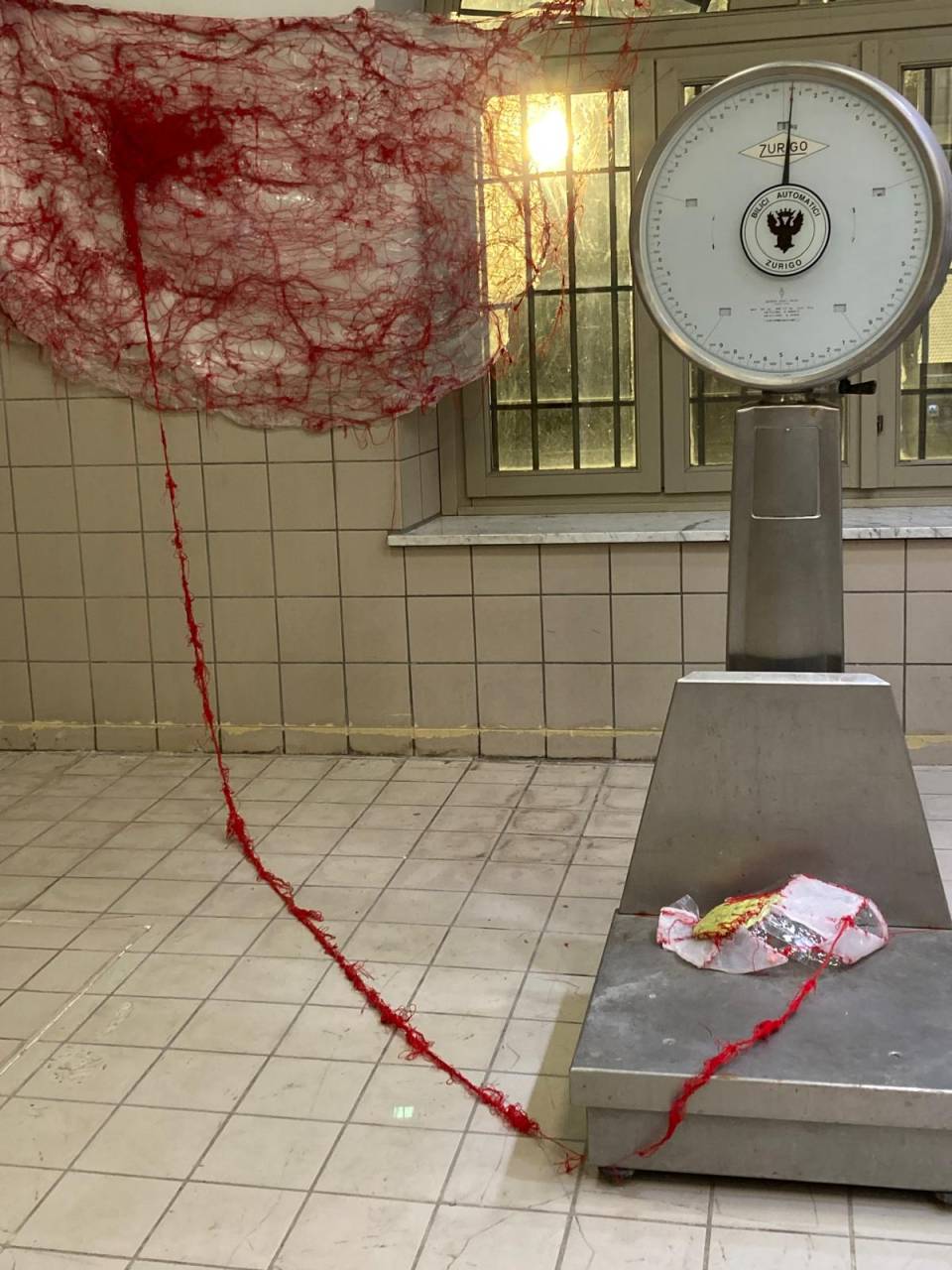
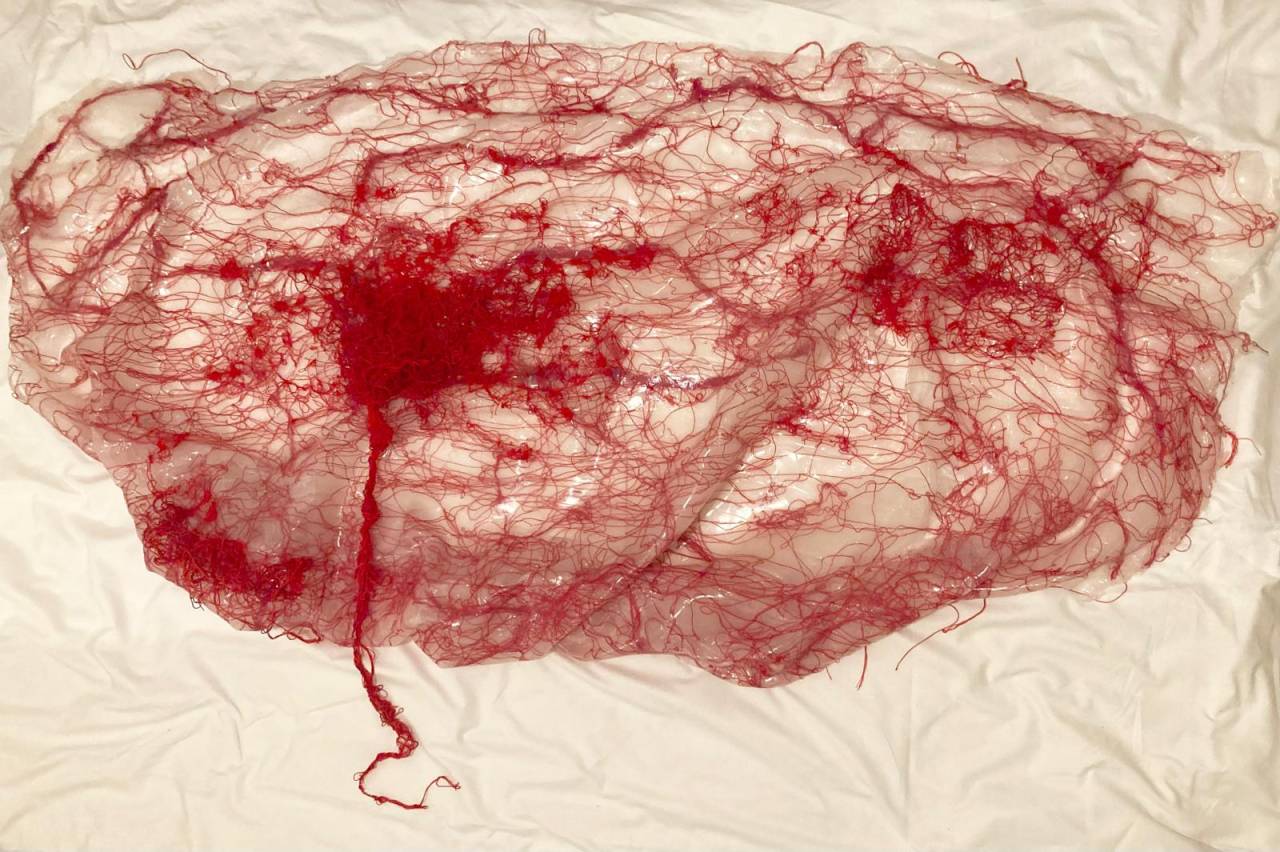
The sculpture "Matrice", presented at HERE X, brings together three interconnected elements, combining natural matter with human-made materials to form a kind of plant-animal-artificial chimera. The title evokes Mater, the mother, as an origin and generative principle. This reference emerges through the structure of the work and in a number of subtle, almost hidden details that invite closer observation. Small, delicately suggested pink nipples introduce an anatomical reference without making it explicit. Motherhood thus permeates the work as an underlying presence rather than an immediately recognisable image. Created and sewn during HERE X, Matrice combines polycarbonate, silicone, silk and a grafted Opuntia cactus, which can be preserved through a process of botanical taxidermy. Its three components correspond to different aspects of a cycle: the network, the living plant and its preserved form. The first component is a network-like structure, a web of connections evoking the relationships that sustain life, as well as systems of transport and circulation. Within this structure, the second component takes shape: a living Opuntia cactus, grafted and sustained through a distinctive care and nourishment system devised by the artist. The plant is not simply an organic addition to the sculpture; it is an essential, living part of the work. The third component is the preserved plant. Its presence Katarzyna Proniewska Mazurek introduces the possibility of death and the persistence of memory. When the cactus dies, retrieves it and subjects it to botanical taxidermy, preserving its form. What remains is a material trace of a life that has been, an image suspended between presence and absence. The relationship with the person who chooses to acquire or temporarily host the work is an integral part of the project. *Matrice* can enter a domestic space as a living sculpture, but this also entails a commitment: the owner becomes responsible for caring for the plant and sustaining its life. Should the cactus die, the artist offers to retrieve it, preserve it through botanical taxidermy and complete the work. Alternatively, a version with an already preserved plant can be chosen. In this way, ownership becomes an act of participation and responsibility. The person who welcomes Matrice is not simply acquiring an artwork, but becoming involved in its life cycle, taking on the role of caretaker. Matrice is therefore an organism in which nature and artifice, life and death, care and memory coexist. Its meaning extends beyond its physical form, unfolding through time and through the relationship between the artwork, the artist and the person who chooses to care for it.